
A wrong machine can hold up an entire construction crew. Poor equipment choices also raise fuel use, damage finished ground, cause unplanned repairs, and increase the risk of injury. The right construction machinery and equipment improves work speed, safety, labor needs, cost control, and build quality.
Equipment selection should begin with the job, not a brand name or low purchase price. Soil, access, project size, material type, deadlines, operator skill, and transport limits all affect the best choice. The following guide covers machine types, productivity, safety, maintenance, technology, and fleet planning.
Match Construction Machinery and Equipment to the Work
Select digging and earthmoving machines
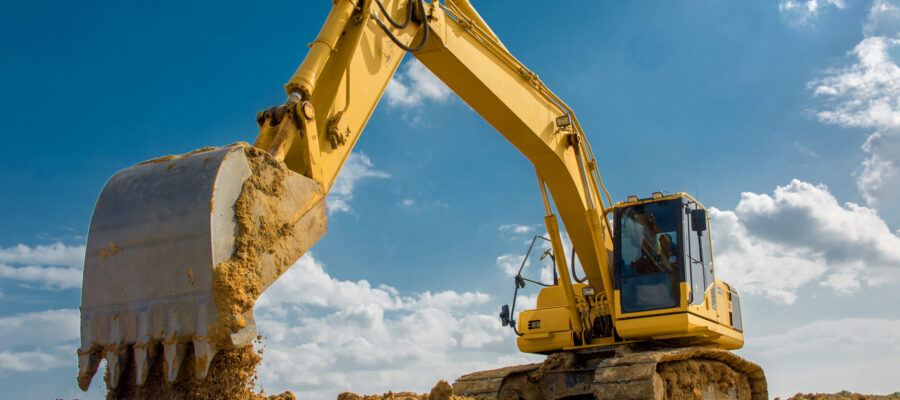
Hydraulic excavators handle trenching, foundation work, demolition, grading, utility installation, and material handling. Mini excavators fit tight sites, while crawler excavators offer more reach, lifting strength, and stability. Backhoe loaders combine a front bucket with a rear digging arm, making them useful for smaller utility and repair projects.
Choose excavator size by checking digging depth, swing radius, lift needs, ground conditions, and site clearance. The machine must reach the work without sitting too close to a trench edge. Attachments such as breakers, augers, grapples, and compactors also require the correct hydraulic flow and pressure.
Bulldozers push and spread soil. Motor graders create accurate slopes and road surfaces. Wheel loaders move loose material, while skid-steer and compact track loaders handle loading, grading, trenching, and cleanup in limited spaces. Operating weight, blade type, bucket size, traction, and ground pressure affect output.
Compactors must match the soil. Smooth drums suit granular material, padfoot drums work well in clay, and pneumatic rollers can seal and knead certain road surfaces. Moisture, lift thickness, and the required density matter as much as machine size.
Plan concrete, paving, lifting, and material flow
Mixers and batch plants produce concrete, while pumps place it across difficult or elevated areas. Screeds level fresh concrete, and pavers place asphalt or concrete across road surfaces. Cranes, telehandlers, forklifts, and hoists move loads through busy building sites.
A lift plan must account for load charts, reach, height, setup space, ground strength, and placement accuracy. Cranes need qualified planning, trained operators, inspections, communication, and compliance with applicable local and national rules. Poor material flow creates waiting time, blocked access, and unsafe traffic around the work zone.
Before choosing a machine, confirm its capacity, dimensions, attachments, fuel or power source, operating conditions, transport method, and ownership model. Check delivery access, overhead clearance, ground bearing capacity, and available operators. These basic checks prevent an expensive machine from becoming a poor fit.
Choose Equipment by Total Cost and Productivity
Compare buying, renting, leasing, and service providers
The lowest purchase price rarely gives the lowest project cost. Total cost of ownership includes financing, fuel, labor, service, repairs, transport, downtime, depreciation, resale value, and disposal. A reliable rental machine may cost less than owning a specialized unit that sits unused.
Buying often suits contractors with steady annual use and trained service staff. Renting can reduce risk for short jobs, unusual attachments, or machines needed only a few times each year. Leasing may protect cash flow over a longer term, while a fleet-service provider can supply equipment, operators, maintenance, and replacement support.
Base the decision on project length, expected operating hours, specialization, rental availability, delivery fees, insurance, contract terms, and repair responsibility. Include replacement risk when a machine sits on the project’s critical path.
Measure real production before deployment
Productivity depends on cycle time, bucket or load size, travel distance, terrain, material, operator skill, and working conditions. Match excavators with enough trucks, and balance loaders with haulers so one machine does not wait for another. Pavers, rollers, and support equipment also need a planned sequence.
Use manufacturer data, company records, contractor estimates, and short jobsite trials. Theoretical maximum output rarely matches a crowded site with changing weather and uneven material. After deployment, record production, idle time, fuel use, waiting time, and engine hours.
Right-sized equipment, planned haul routes, trained operators, telematics, and the correct attachment can reduce waste. Cost reviews should account for weather, soil, traffic, operator skill, and material changes.
Improve Jobsite Safety Through Equipment Planning
Control struck-by, caught-between, and rollover hazards
Common risks include blind spots, reversing trucks, swing radii, unstable ground, trench edges, overhead utilities, and crowded work areas. Use exclusion zones, traffic plans, signs, spotters, cameras, proximity alarms, and high-visibility clothing where they fit the site.
Operators should wear seat belts, control travel speed, keep three points of contact, and never carry unauthorized passengers. Keep people away from suspended loads and attachment movement. Follow guidance from OSHA, HSE, equipment makers, and recognized industry standards, while checking the rules that apply in the project location.
Inspect machines before every shift
A pre-start check should cover tires or tracks, fluids, leaks, brakes, steering, lights, alarms, guards, hydraulic lines, attachments, and structural parts. Operators should document defects and report them at once. Equipment with a safety-critical fault must stay out of service until a qualified person corrects it.
Use the manufacturer’s checklist and service schedule. A daily inspection does not replace planned servicing or a technical examination. Keep records that show the fault, response, repair, and return-to-service approval.
Train operators for each machine and attachment
Experience on one machine does not qualify a person for every other machine. Training should include formal instruction, supervised practice, site orientation, emergency actions, and competency checks. Refresh it when equipment, attachments, conditions, or rules change.
Buckets, forks, breakers, augers, grapples, compactors, and lifting accessories each create different risks. Verify quick couplers and locking systems before work begins. Keep training records for operators and supervisors.
Extend Equipment Life With Preventive Maintenance
Build service around operating hours
Daily checks should include lubrication, leaks, tires or tracks, fluid levels, cooling screens, batteries, belts, and attachment condition. Weekly, monthly, seasonal, and hour-based tasks should follow the manufacturer’s schedule. Dust, heat, corrosive materials, heavy loads, and severe-duty work may require shorter intervals.
Maintenance software can track engine hours, service alerts, parts, labor, fault codes, and recurring failures. Digital records help managers see patterns before a small fault becomes a major repair. They also support warranty claims and resale value.
Use telematics and condition data
Telematics can show location, engine hours, fuel use, idle time, fault alerts, utilization, and service reminders. Fluid analysis, vibration, temperature, pressure, and diagnostic codes can reveal wear when the machine supports those systems. Data only helps when it leads to action, such as inspection, operator coaching, planned service, or removal from work.
Protect system access and handle machine data under company privacy and security policies. Keep critical spare parts, service manuals, parts catalogs, warranty papers, and local repair contacts available. Repair-versus-replace decisions should consider age, repair history, downtime cost, remaining life, and replacement supply.
Increase Versatility With Attachments and Technology
One carrier can perform several jobs when its attachments match the hydraulic system and task. Buckets, breakers, augers, forks, blades, trenchers, milling heads, grapples, and demolition tools expand machine use. Check attachment weight, lift capacity, hydraulic flow, pressure, coupler standards, stability, and operator training before purchase.
GPS or GNSS machine control, laser guidance, payload weighing, collision alerts, automated grading, and remote monitoring can reduce rework and improve records. Results should be measured through grade accuracy, idle time, production rate, and completion time. Signal loss, calibration, software fit, cybersecurity, and training can limit the gains.
Battery-electric compact equipment, hybrid drives, cleaner fuels, and emissions-control systems may suit indoor, urban, or noise-sensitive work. Compare duty cycle, shift length, payload, charging time, temperature, grid capacity, fuel storage, maintenance, transport, and end-of-life needs. Use verified machine and project data rather than assuming every site will save money or emissions.
Manage Equipment Across the Project Lifecycle
Plan, mobilize, and set up machines correctly
Link equipment needs to the work breakdown, schedule, production rates, crew balance, and critical path. Identify crane access, concrete placement, haul routes, temporary roads, utility clearances, standby units, weather risks, and supply delays during estimating.
Before delivery, check routes, permits, trailers, load securement, ramps, escorts, site gates, turning space, and unloading areas. On arrival, record damage, inspect safety systems and fluids, confirm ground strength and clearances, then complete a controlled function test. Cranes, lifts, compressors, and generators need their required site setup and connection checks.
Measure results and improve fleet decisions
Track availability, utilization, production per hour, fuel use, idle percentage, maintenance cost, downtime, and cost per operating hour. Compare planned output with actual results at project closeout. A machine that is underused, overworked, or often repaired may need a different role or replacement.
Review safety findings, maintenance records, equipment hours, and project requirements before the next purchase or rental. Keep lessons from each job in the estimating system. This turns fleet decisions into measured business choices.
Conclusion
The best construction machinery and equipment matches the task, site, schedule, operator, and budget. Select machines by total ownership cost and real production, then pair carriers, attachments, and support equipment to avoid bottlenecks.
Safe operation depends on inspections, trained operators, exclusion zones, clear communication, and documented procedures. Preventive service and telematics reduce avoidable downtime, while automation and lower-emission machines should be judged through verified project results. Review current utilization, repairs, safety findings, and upcoming work before your next fleet decision.
Related Posts
Post a Comment