The construction industry is a cornerstone of modern infrastructure, playing a crucial role in shaping cities and communities around the world. Central to this industry is the use of heavy machinery and equipment, which not only enhances productivity and efficiency but also elevates the scope of construction projects. As technology advances, the landscape of heavy machinery is evolving, integrating innovations that improve safety, reduce environmental impact, and streamline operations. This article explores the diverse types of heavy equipment, their significance in construction, safety regulations, maintenance practices, and the future trends that are set to transform the industry.
Overview of Construction Industry
The construction industry is like the backbone of our built environment, providing the structures we live, work, and play in. From skyscrapers that scrape the sky to humble homes that shelter families, this sector is crucial to our modern lifestyle. It encompasses everything from planning and design to execution and completion.
Current Market Trends
In recent times, the construction industry has seen some notable trends, including an escalating push for sustainability. Green construction practices have become the norm rather than the exception, with materials and techniques aimed at minimizing environmental impact. Additionally, technology integration—think drones, 3D printing, and Building Information Modeling (BIM)—is transforming how projects are planned and executed. And let’s not forget about the ongoing labor shortage; it’s challenging contractors to get creative with staffing and efficiency.
Key Players in the Industry
The construction arena features a mix of giants and niche players. On the larger side, companies like Bechtel and Turner Construction lead with massive projects. Meanwhile, regional firms often specialize in specific types of construction or services, such as residential or infrastructure. Also, don’t overlook the multitude of subcontractors who make the magic happen, often working diligently behind the scenes to ensure everything runs smoothly.
Economic Impact of Construction
The construction industry isn’t just about hard hats and concrete; it’s a major economic driver. It generates jobs, boosts local economies, and contributes significantly to GDP. Every new building project creates a ripple effect, impacting supplier industries and providing employment opportunities in various sectors. Simply put, a thriving construction sector often signals a robust economy.
Types of Heavy Machinery and Equipment
Heavy machinery and equipment are the unsung heroes of construction, making the impossible possible and turning the ground into a worksite. Let’s take a look at some of the heavy hitters in this realm.
Excavators
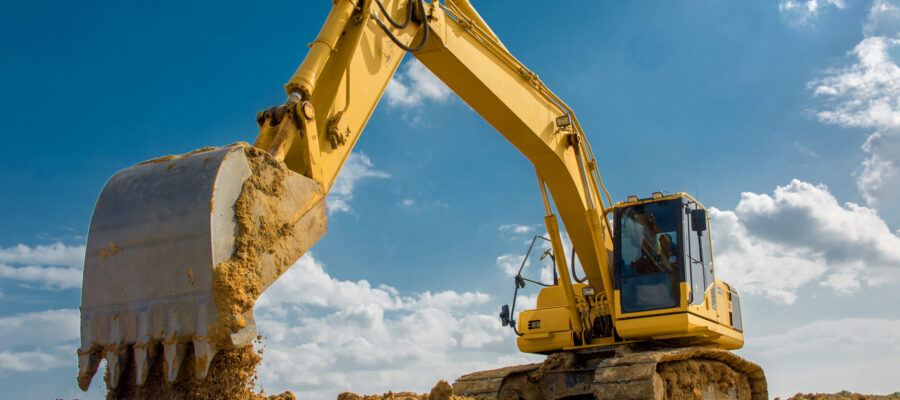
Excavators are the ultimate digging machines, equipped with a bucket that can scoop up dirt like a spoon in a cereal bowl. These versatile beasts are used for everything from digging trenches to demolition tasks and are essential for laying the groundwork for any construction project.
Bulldozers
Bulldozers are the brawn of construction equipment, known for pushing earth and debris around like it’s a pile of leaves. With their wide blades, they can level, grade, and clear areas with ease. Basically, if terrain needs to be tamed, a bulldozer is your go-to.
Cranes
When it comes to lifting heavy loads high into the sky, cranes are the acrobats of the construction world. These towering machines can hoist massive materials, allowing for the construction of buildings that seem to touch the clouds. Their mere presence on a job site signals that something big is happening!
Forklifts
Forklifts, the unsung heroes of warehouses and construction sites, transport materials with the grace of a ballet dancer (with a bit more horsepower). They provide the mobility needed to move heavy loads efficiently, helping keep everything running smoothly.
Concrete Mixers
Concrete mixers are the culinary chefs of construction, expertly blending ingredients to create that crucial building material. Whether stationary or truck-mounted, they ensure that concrete is mixed to perfection for use in foundations, sidewalks, and all things solid.
Importance of Heavy Machinery in Construction
Heavy machinery is more than just a convenience in construction—it’s a game changer. Let’s dive into why these mechanical marvels hold such importance.
Efficiency and Productivity
Heavy machinery drastically reduces the time and labor needed to complete tasks. Instead of relying solely on manual labor, machines can accomplish jobs quicker and with far less effort, meaning projects can be completed ahead of schedule.
Cost Reduction
Investing in heavy machinery can seem daunting (hello, price tags!), but in the long run, it can lead to significant cost savings. Machines enhance productivity and reduce labor costs, which means fewer overtime hours and less money spent on hiring extra workers.
Project Timeline Management
Heavy machinery is critical for keeping projects on track. When a construction team has the right tools, they can meet deadlines and adapt to changes more easily. That means less time worrying about delays and more time enjoying the fruits of their labor.
Safety Standards and Regulations
In an industry known for its physical demands, safety can’t be taken lightly. Compliance with safety standards is paramount to keep workers safe and sound.
OSHA Guidelines
The Occupational Safety and Health Administration (OSHA) sets essential safety guidelines to protect workers in the construction sector. These regulations cover everything from equipment operation to hazard communication, ensuring that companies prioritize the health and safety of their teams.
Training and Certification Requirements
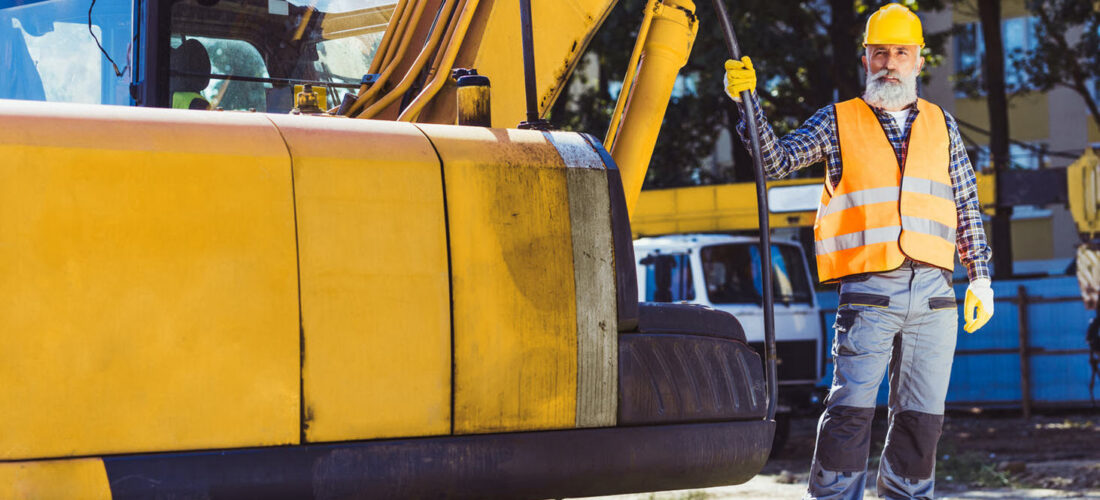
Training isn’t just a good idea; it’s a necessity. Operators of heavy machinery must receive proper training and certification to ensure they know how to handle the equipment safely. This investment in education helps reduce accidents and creates a culture of safety on job sites.
Common Safety Hazards
Even with guidelines in place, construction sites can be perilous. Common safety hazards include falls, equipment accidents, and mishandling of materials. Awareness and proactive safety measures can help mitigate these risks and keep everyone out of harm’s way, maintaining a balance between productivity and safety.
Innovations in Heavy Machinery Technology
Automation and Robotics
The age of heavy lifting is getting a high-tech makeover! Automation and robotics are stepping into the construction scene like they own the place. From self-driving trucks that can haul dirt faster than you can say “Bob the Builder” to robotic arms that can lay bricks with precision, the future is all about letting machines take the grunt work. Not only does this mean fewer backaches for humans, but it also boosts productivity and safety on site—because nobody wants to be the one who trips over a stubborn pile of bricks.
Telematics and IoT
Imagine if your equipment could text you when it’s feeling under the weather. Well, that’s pretty much what telematics and the Internet of Things (IoT) bring to the table. With sensors and GPS tracking, machinery can relay data about its performance, location, and health straight to your smartphone. This tech-savvy approach saves time and money by preventing breakdowns and optimizing usage. It’s like having a personal trainer for your heavy machinery—keeping them in shape so they can lift mountains, or at least a few tons of gravel!
Eco-friendly Technologies
Mother Earth called, and she wants her heavy machinery to be greener! Eco-friendly technologies are becoming the name of the game in construction equipment. From electric excavators to hybrid bulldozers, manufacturers are churning out machines that pack a punch without packing on the emissions. These innovations not only help reduce the carbon footprint but often lead to long-term cost savings on fuel. It’s a win-win that shows you can be tough as nails while still being kind to the planet!
Maintenance and Operation of Heavy Equipment
Regular Maintenance Practices
Think of maintenance like a spa day for your heavy equipment—everyone deserves a little TLC! Regular maintenance practices, such as oil changes, filter replacements, and checking hydraulic systems, ensure that machines run smoothly and efficiently. Establishing a routine can extend the life of the equipment and prevent costly breakdowns that occur at the most inconvenient times, like right before a deadline. Nobody wants to play the waiting game when there’s dirt to be moved!
Operator Training and Best Practices
A well-trained operator can make all the difference between a smooth construction project and a chaotic disaster. Proper training on machinery operation not only enhances safety but also improves efficiency. Operators should be well-versed in best practices, from pre-operation inspections to handling unexpected situations. After all, no one ever said operating a crane was as easy as riding a bike—especially when that bike is 20 tons of steel!
Signs of Equipment Failure
Like a moody teenager, heavy machinery can show signs of distress before it goes off the rails. Listening for unusual noises, looking for leaks, or noticing a drop in performance can all be red flags that something’s amiss. Catching these signs early can save money and headaches down the line, making it crucial for operators and maintenance teams to stay vigilant. Remember, ignoring warning signs is a surefire way to end up with more than just a “check engine” light.
Environmental Considerations in Construction Machinery
Emission Regulations
As the construction industry evolves, so do the rules about emissions. Governments worldwide are tightening regulations to ensure heavy machinery doesn’t belch out more pollution than necessary. Manufacturers are rising to the challenge, designing engines that meet stringent standards while still packing the power needed to get the job done. Compliance might feel like an annoying check-up, but it ultimately contributes to cleaner air and a healthier planet—so let’s say goodbye to smog and hello to fresh air!
Noise Pollution Management
If you’ve ever tried to have a conversation at a construction site, you know noise pollution can be a major buzzkill. It’s not just an annoyance; it can also pose health risks to workers and nearby residents. Today, many construction companies are investing in quieter machinery and noise reduction technologies to keep those decibel levels in check. By implementing smart design and sound-dampening techniques, we can work hard without disrupting the peace—everyone appreciates a little peace and quiet, even amidst the chaos!
Sustainable Equipment Options
Sustainability is more than just a buzzword; it’s a growing necessity in the construction industry. Sustainable equipment options, like solar-powered machinery and those that consume less fuel, are making waves. Using such gear not only helps reduce a project’s overall environmental impact but also positions companies as forward-thinking and responsible. Embracing sustainability isn’t just good for the planet; it can also be a powerful marketing tool. Who doesn’t want to be the cool kid in the neighborhood with the eco-friendly toys?
Future Trends in Construction and Heavy Equipment
Digital Transformation in Construction
Construction is getting a complete makeover, thanks to digital transformation. Building Information Modeling (BIM), drones, and virtual reality are just a few tools reshaping how projects are designed and executed. These technologies streamline processes, enhance collaboration, and allow for real-time project monitoring. It’s like upgrading from a typewriter to a laptop—suddenly, everything is faster, smarter, and even a bit cooler!
Impact of AI and Machine Learning
Artificial Intelligence (AI) and machine learning are no longer relegated to sci-fi movies; they’re actively shaping the construction landscape. These technologies can analyze data, predict equipment failures, and optimize workflows. Imagine machines that learn from past projects and adapt to improve future outcomes—talk about a game changer! While they may not yet be able to make your morning coffee, they’re certainly making heavy machinery smarter and more efficient.

Emerging Markets and Opportunities
As the world keeps spinning, new markets are emerging, bringing along fresh opportunities for the construction industry. Developing nations are ramping up infrastructure projects, creating a demand for advanced heavy equipment. Companies that can pivot and adapt their offerings are likely to hit the jackpot in these areas. It’s a bit like treasure hunting—only instead of maps and shovels, you’ve got heavy machinery and a desire for growth!In conclusion, heavy machinery and equipment are indispensable assets in the construction industry, driving efficiency and innovation while adhering to safety and environmental standards. As technology continues to advance, it will be essential for industry stakeholders to stay informed about the latest trends and best practices. By embracing these developments, the construction sector can enhance its operational capabilities and ensure a sustainable future, ultimately contributing to the growth and well-being of communities worldwide.
Frequently Asked Questions
What are the most common types of heavy machinery used in construction?
The most common types of heavy machinery used in construction include excavators, bulldozers, cranes, forklifts, and concrete mixers. Each type of equipment serves a specific purpose and is essential for various tasks within construction projects.
How does heavy machinery improve construction efficiency?
Heavy machinery improves construction efficiency by enabling faster, more precise operations than manual labor. Equipment like excavators and cranes can move large quantities of materials quickly, while specialized machinery can perform complex tasks that would otherwise take much longer to complete.
What safety measures should be taken when operating heavy machinery?
Operating heavy machinery requires strict adherence to safety measures, including wearing appropriate personal protective equipment (PPE), undergoing proper training and certification, conducting regular maintenance checks, and following OSHA guidelines to minimize risks and ensure a safe work environment.
What are the environmental impacts of heavy construction equipment?
Heavy construction equipment can have several environmental impacts, including emissions contributing to air pollution, noise pollution, and habitat disruption. However, advancements in eco-friendly technologies and stricter regulations are helping to mitigate these effects and promote sustainable practices in the industry.
Related Posts

Post a Comment