
Hydraulic systems play a pivotal role in the functioning of heavy equipment, serving as the backbone that enables powerful machinery to operate efficiently and effectively. By utilizing the principles of fluid mechanics, these systems convert hydraulic energy into mechanical force, allowing for precise control and movement in various applications. From construction sites to manufacturing plants, hydraulic technology is essential for powering equipment such as excavators, forklifts, and cranes. This article will delve into the fundamental concepts of hydraulic systems, explore their key components, and highlight their advantages and applications in the heavy equipment industry, providing a comprehensive understanding of why they are often referred to as the heart of heavy machinery.
Understanding Hydraulic Systems: Basics and Principles
Definition of Hydraulic Systems
Hydraulic systems are like the powerhouses of heavy machinery, utilizing the principles of fluid dynamics to transfer energy and perform work. In simpler terms, they use fluid (usually oil) to transmit force from one area to another, making it possible for those colossal machines to lift, push, and dig without breaking a sweat—or a back.
Basic Principles of Fluid Mechanics
At the heart of hydraulic systems lies fluid mechanics, which is basically the science of how fluids behave. When you squeeze a tube of toothpaste, the toothpaste squirts out the other end—same principle applies here, just on a much larger (and messier) scale! Pascal’s Law states that pressure applied to a confined fluid is transmitted undiminished throughout the fluid, meaning that in a hydraulic system, a little push can cause a big pull.
Hydraulic Pressure and Force
Hydraulic pressure is the secret sauce that makes everything tick. It’s all about the force exerted by the fluid within the system, measured in pounds per square inch (PSI). The greater the pressure, the more force can be delivered. Think of it like this: if you want to lift a heavy load, you need a lot of pressure behind your fluid. It’s like trying to lift weights—you won’t get very far if you don’t put in the effort!
Key Components of Hydraulic Systems
Hydraulic Fluid
Hydraulic fluid is the lifeblood of the system, responsible for transmitting force and keeping everything running smoothly. This special oil also serves as a lubricant, cooling down components and preventing corrosion. Think of it as the smoothie you drink to fuel your workout—without it, everything would grind to a halt (or get really rusty).
Pumps
Pumps are the heavy hitters of hydraulic systems, converting mechanical energy into hydraulic energy. They suck up the hydraulic fluid and push it through the system. Without a pump, you might as well be trying to lift a car with your pinky finger—just not gonna happen!
Actuators
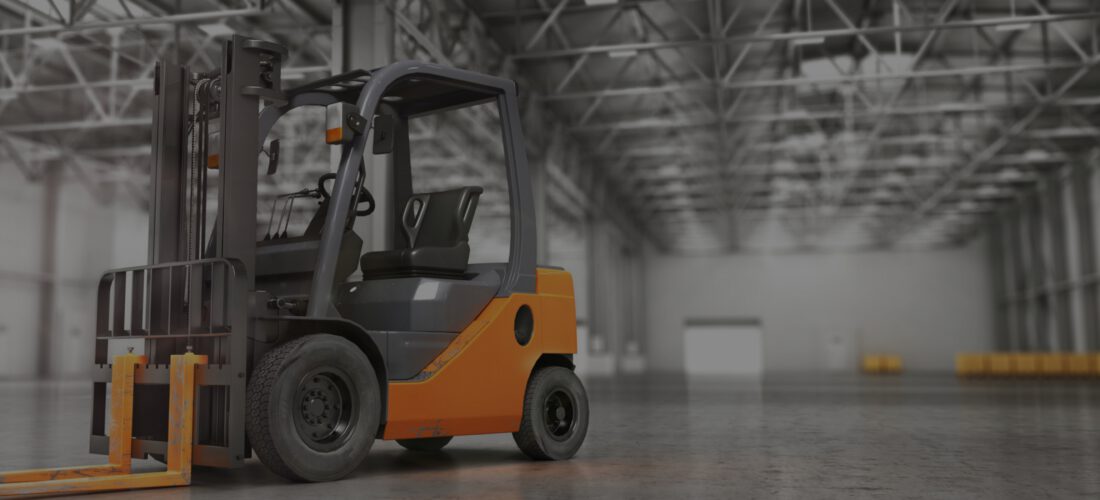
Actuators are where the magic happens. These devices convert hydraulic energy back into mechanical energy to produce motion. Whether it’s lifting an excavator’s arm or rotating a forklift’s forks, actuators do the heavy lifting (pun intended) by translating fluid pressure into physical work.
Valves
Valves are the traffic cops of hydraulic systems, controlling the direction and flow of hydraulic fluid. They dictate where the fluid goes, ensuring everything operates smoothly and efficiently. Without valves, your hydraulic system would be like a chaotic dance party where no one knows the steps.
Reservoirs and Hoses
Reservoirs store the hydraulic fluid, making sure there’s always enough to keep the system running. Hoses, on the other hand, are the veins that transport the fluid to various components. Think of them as the highways of hydraulic systems, allowing fluids to zip around faster than your cat when it hears a can opener!
How Hydraulic Systems Power Heavy Equipment
Mechanics of Power Transmission
Hydraulic systems transmit power by using pressurized fluid to create motion or force. When a pump sends fluid through hoses and into actuators, it generates movement. Essentially, it’s like sending a little love letter (or a very strong push) to each component, ensuring everything works together in perfect harmony.
Applications in Different Types of Machinery
From excavators to forklifts and bulldozers to cherry pickers, hydraulic systems are ubiquitous in heavy machinery. They enable these machines to perform tasks that would be impossible with just mechanical forces alone—because let’s face it, no one’s lifting 20 tons with a lever and some elbow grease.
Case Studies of Hydraulic-Powered Equipment
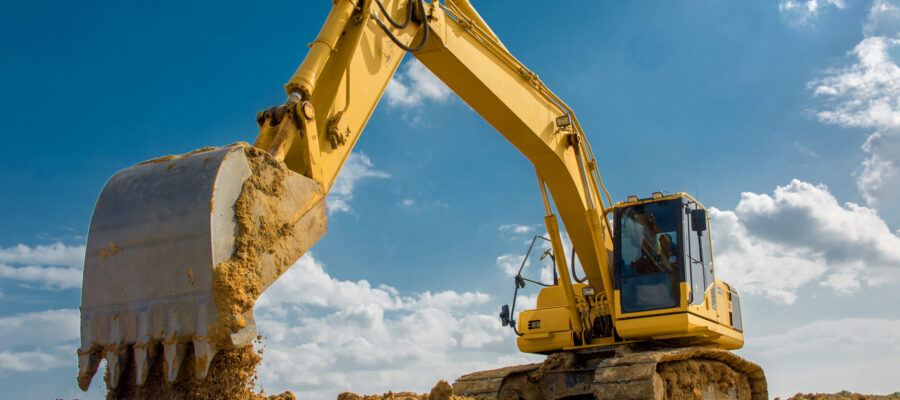
Consider the hydraulic excavator, which can effortlessly lift and move tons of earth. By tapping into hydraulic power, these machines can lift more than their own weight, turning any construction site into a superhero movie. Or think about how hydraulic brakes in large trucks stop enormous loads safely and efficiently. Hydraulic systems are not just convenient; they’re essential to modern machinery.
Advantages of Hydraulic Systems in Heavy Machinery
Increased Efficiency and Performance
Hydraulic systems offer unparalleled efficiency, maximizing power output while minimizing energy use. They are able to produce great force relative to their size, which is why heavy equipment can often outperform their mechanical counterparts. It’s like the little engine that could—only with a whole lot more horsepower!
Compact Design and Versatility
Hydraulic systems are incredibly compact, allowing for smaller machinery designs without sacrificing power. They can be integrated into a variety of applications, making them the Swiss Army knife of heavy equipment. Need to lift, slice, or dig? There’s probably a hydraulic solution for that.
Safety Features and Reliability
Modern hydraulic systems come equipped with numerous safety features designed to prevent catastrophic failures. They’re built to withstand a lot of pressure, both literally and figuratively. With regular maintenance, hydraulic systems are reliable workhorses, ensuring your heavy machinery keeps on trucking (or lifting or digging) without dramatic breakdowns.
Common Applications of Hydraulic Systems in Industry
Construction Equipment
Hydraulic systems are like the muscle behind the brawny giants of construction—think excavators, bulldozers, and cranes. These machines rely on hydraulics to lift, dig, and transport heavy materials with ease. The immense power derived from hydraulic fluid allows for smooth and controlled movements, making short work of tough tasks while construction workers sip their coffee and admire the view.
Manufacturing and Production Lines
In the world of manufacturing, hydraulic systems perform a delicate dance of precision and power. They are key players in everything from stamping metal parts to assembling automotive components. The ability to apply consistent force across various processes ensures that production lines run smoothly, keeping the machines humming and the profits flowing while the workers focus on keeping their sandwich fillings from spilling.
Aerospace and Automotive Applications
In aerospace, where safety is paramount, hydraulic systems control everything from landing gear to flaps, allowing aircraft to take off and land gracefully. In the automotive industry, these systems empower brake controls and steering mechanisms, making driving safer and more enjoyable. Without hydraulics, cars might resort to the good old “foot on the tire” method—now wouldn’t that scare the passengers?
Maintenance and Troubleshooting of Hydraulic Systems
Regular Maintenance Practices
To keep hydraulic systems operating smoothly, a regular maintenance routine is essential. This includes checking fluid levels and quality, inspecting hoses for wear and tear, and ensuring the system is free of leaks. Think of these practices as the equivalent of regular visits to the dentist—painful but necessary to prevent bigger problems down the road (or in this case, down the hydraulic line).
Common Issues and Their Solutions
Common hiccups in hydraulic systems include leaks, overheating, and pressure drops. A leaky hose may just seem like a minor annoyance, but it can lead to system failure faster than you can say “oops.” Regular inspections can catch these issues before they escalate. Always keep a toolbox handy, and don’t forget to watch some ‘how-to’ videos—YouTube can be your best friend when troubleshooting!
Signs of Hydraulic System Failure
Stay vigilant! Signs of impending hydraulic doom include strange noises (like grinding or whining), inconsistent performance, or an unexpected loss of pressure. If you notice that your hydraulic system is working as efficiently as a sloth on a Sunday, it might be time for a check-up. Don’t wait for it to break down—like your favorite old pickup, these systems work best with a bit of love and attention.
Future Trends in Hydraulic Technology
Innovations in Hydraulic Components
The future of hydraulics looks bright, with innovations like smart hydraulic pumps and lightweight components on the horizon. These advancements promise to enhance efficiency while reducing energy consumption, paving the way for a new era of hydraulic engineering. Soon, your hydraulic systems might just be smarter than your ex—no offense!
Integration with Smart Technology
As technology evolves, so do hydraulic systems. The integration of IoT (Internet of Things) enables real-time data monitoring and predictive maintenance. This means fewer surprises and more time enjoying lunch breaks. Think of it as having a personal assistant who knows when to give you a nudge before things go haywire—without the annoying coffee runs!
Sustainability and Eco-Friendly Solutions
The push for sustainability is reshaping hydraulic technology, with a focus on eco-friendly fluids and recyclable components. Manufacturers are now prioritizing green practices, reducing environmental impact while still delivering that powerful hydraulic performance we love. It’s a win-win—Mother Nature smiles, and so do we when we see those fuel costs drop.
Conclusion: The Importance of Hydraulic Systems in Heavy Equipment
Recap of Key Points
From construction to aerospace, hydraulic systems are the unsung heroes behind much of our mechanical world. Maintenance and awareness of potential issues can keep these systems running smoothly, while future innovations promise to enhance performance and sustainability.
The Future of Hydraulic Systems in Heavy Equipment
As technology advances, hydraulic systems will continue to evolve, integrating smarter components and eco-friendly practices. The journey is just beginning, and it’s safe to say we’re in for a ride—much like a smooth crane lifting heavy steel beams!
Final Thoughts on Hydraulic Technology Evolution
Hydraulic systems may not be the flashiest part of heavy equipment, but they are undoubtedly its heartbeat. As we embrace innovation, efficiency, and sustainability, hydraulic technology will remain an essential ally in building a better future—one powerful lift at a time.In conclusion, hydraulic systems are integral to the performance and efficiency of heavy equipment across various industries. Their ability to deliver powerful and precise movements makes them indispensable in machinery such as excavators, loaders, and cranes. As technology continues to evolve, the future of hydraulic systems promises even greater advancements, enhancing their capabilities while promoting sustainability. Understanding these systems not only highlights their importance but also prepares us for the innovations that lie ahead in the world of heavy machinery.
Frequently Asked Questions
What is the main function of hydraulic systems in heavy equipment?
Hydraulic systems primarily convert hydraulic energy into mechanical force, enabling machinery to perform various tasks such as lifting, digging, and pushing with precision and power.
What kind of maintenance do hydraulic systems require?
Hydraulic systems require regular maintenance, including checking fluid levels, inspecting hoses and connections for leaks, replacing filters, and ensuring that all components are functioning properly to prevent breakdowns.
What are the advantages of using hydraulic systems over mechanical systems?
Hydraulic systems offer several advantages, including more compact designs, the ability to generate greater force with less weight, smoother operation, and enhanced versatility in controlling complex movements.
How can I identify a malfunctioning hydraulic system?
Signs of a malfunctioning hydraulic system may include unusual noises, slow or erratic movements, fluid leaks, or a drop in pressure. Regular monitoring and prompt troubleshooting can help prevent further issues.
Related Posts
Post a Comment